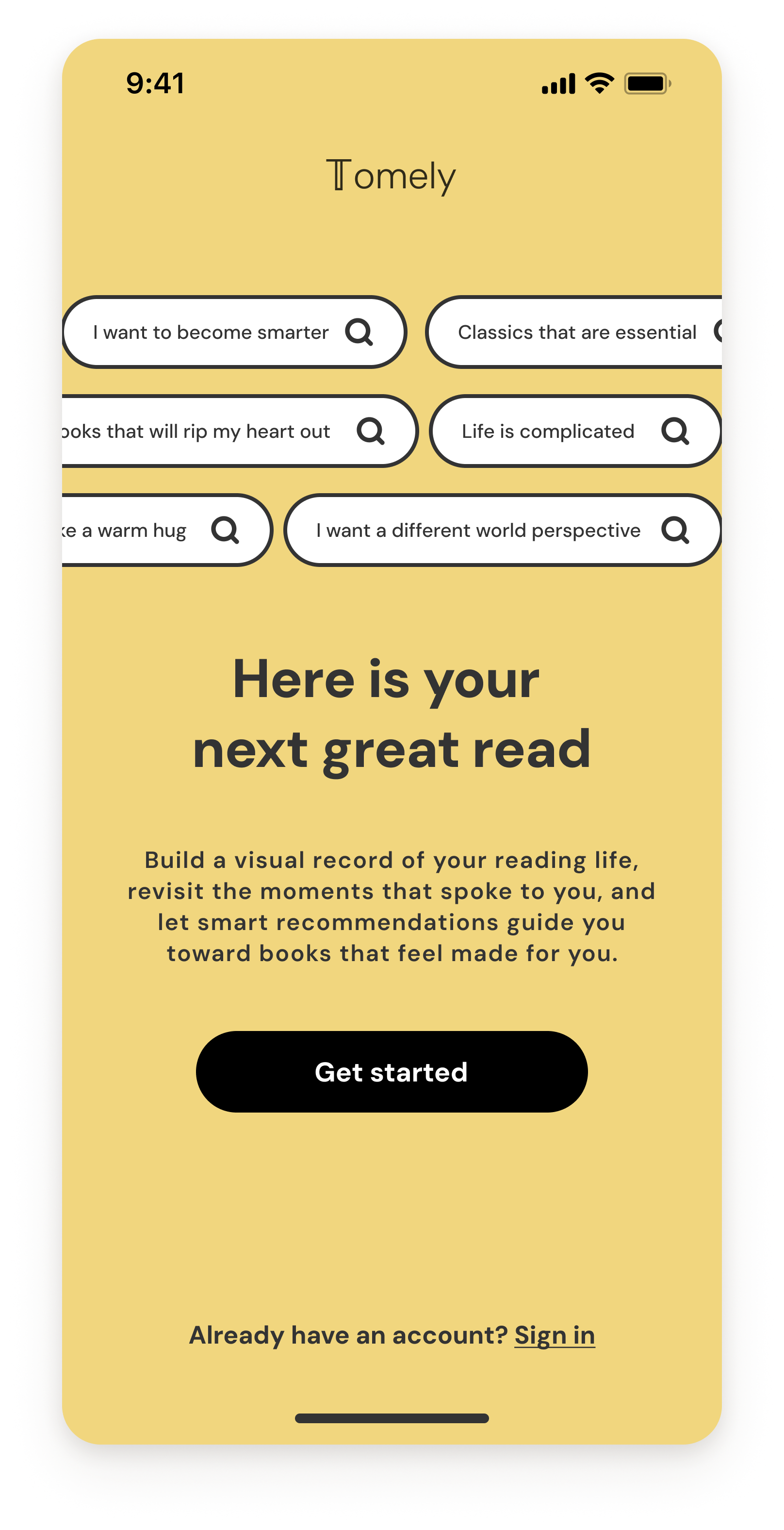
Tomely is frictionless library that replaces cluttered book tracking with a streamlined intelligent reading companion.
Redefining the Digital Bookshelf
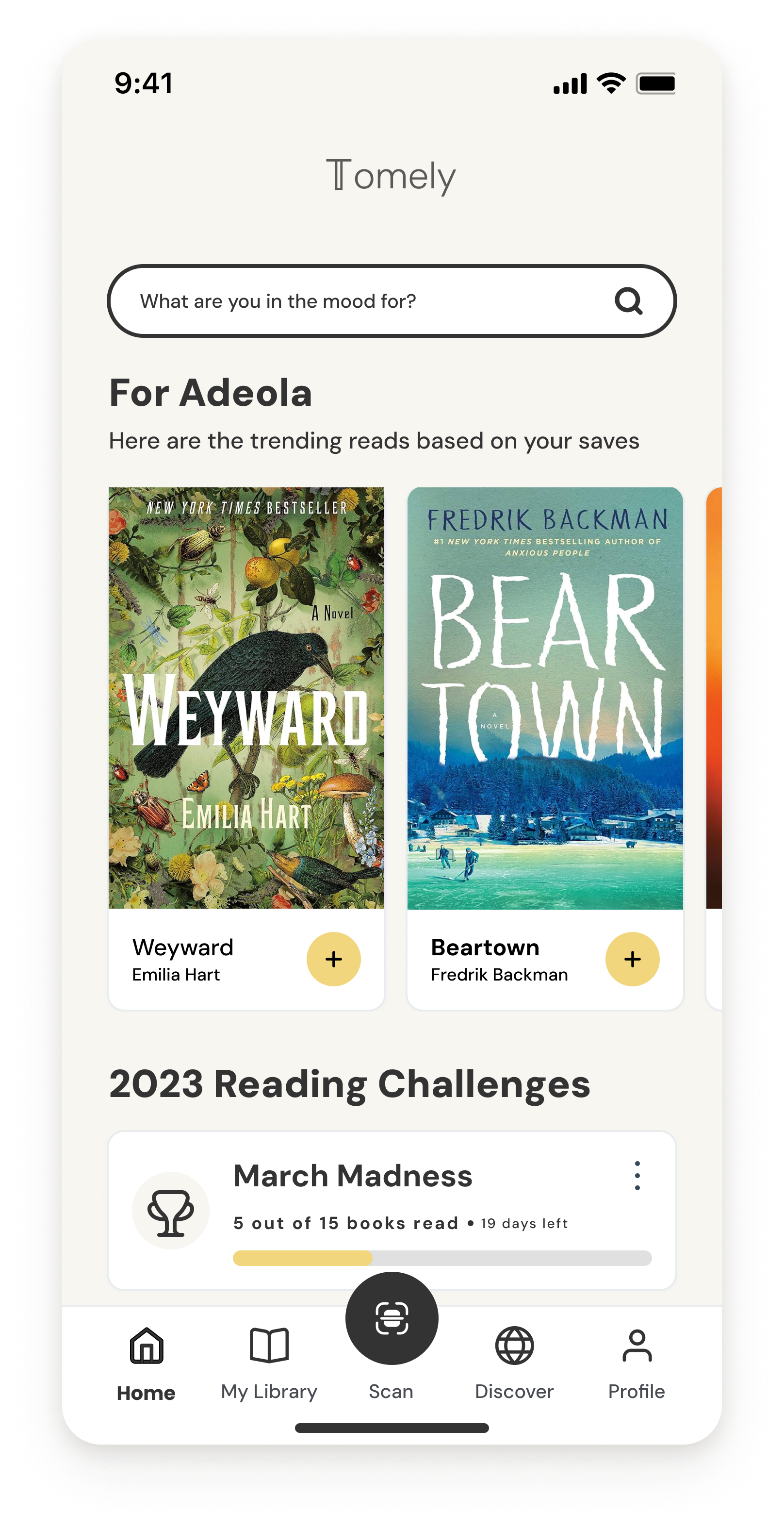
While book-tracking platforms like Goodreads often overwhelm users with fragmented data and dated interfaces, Tomely prioritizes effortless logging and smart discovery.
By centering the experience on a "frictionless library" model, we transformed the tedious task of cataloging books into a visual, rewarding habit. The result is a high-utility ecosystem where readers can manage their collections, track progress, log personal challenges, build reading circles and discover their next favorite read through a clean, modern UI built for the modern bibliophile.


Feature Discovery
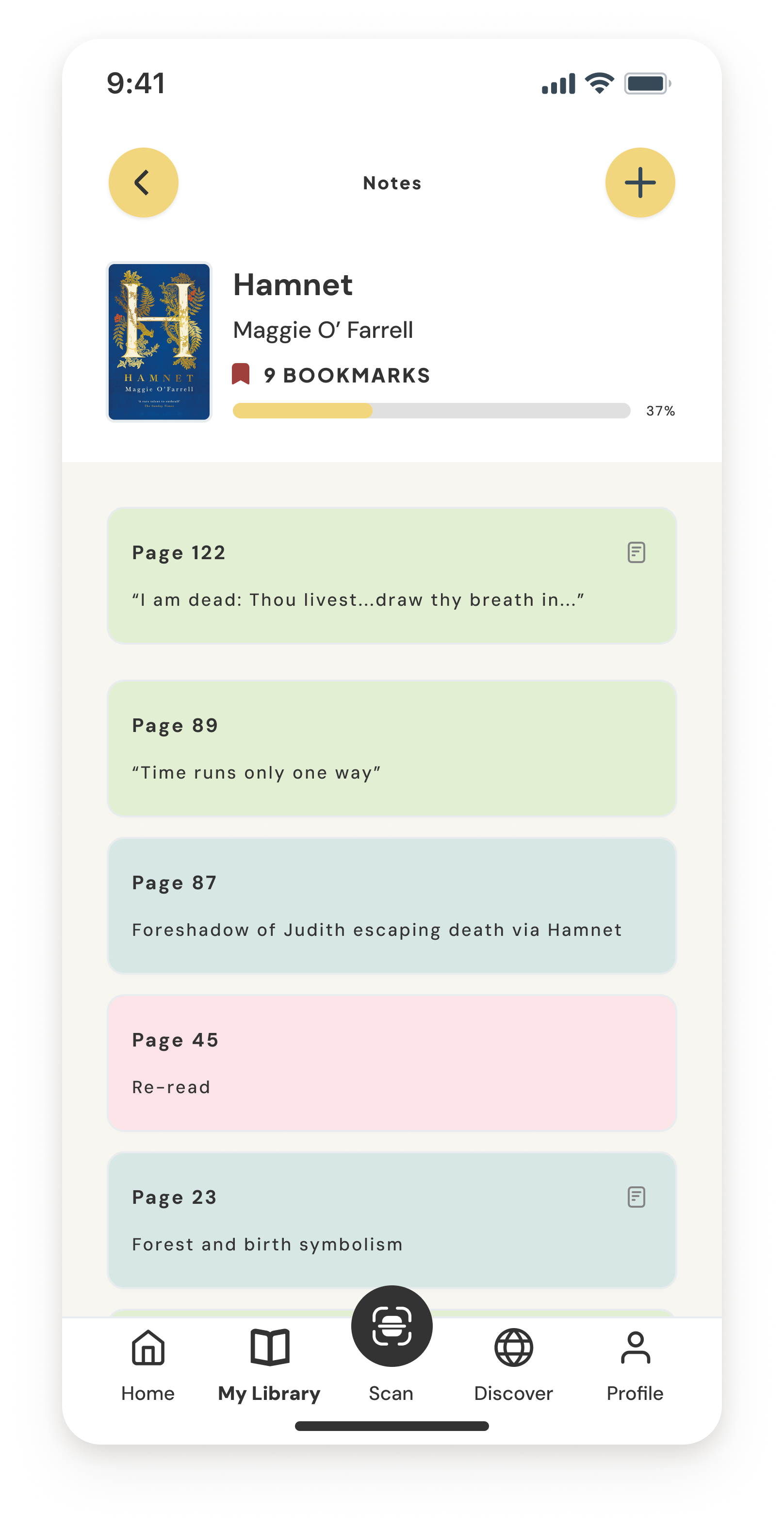
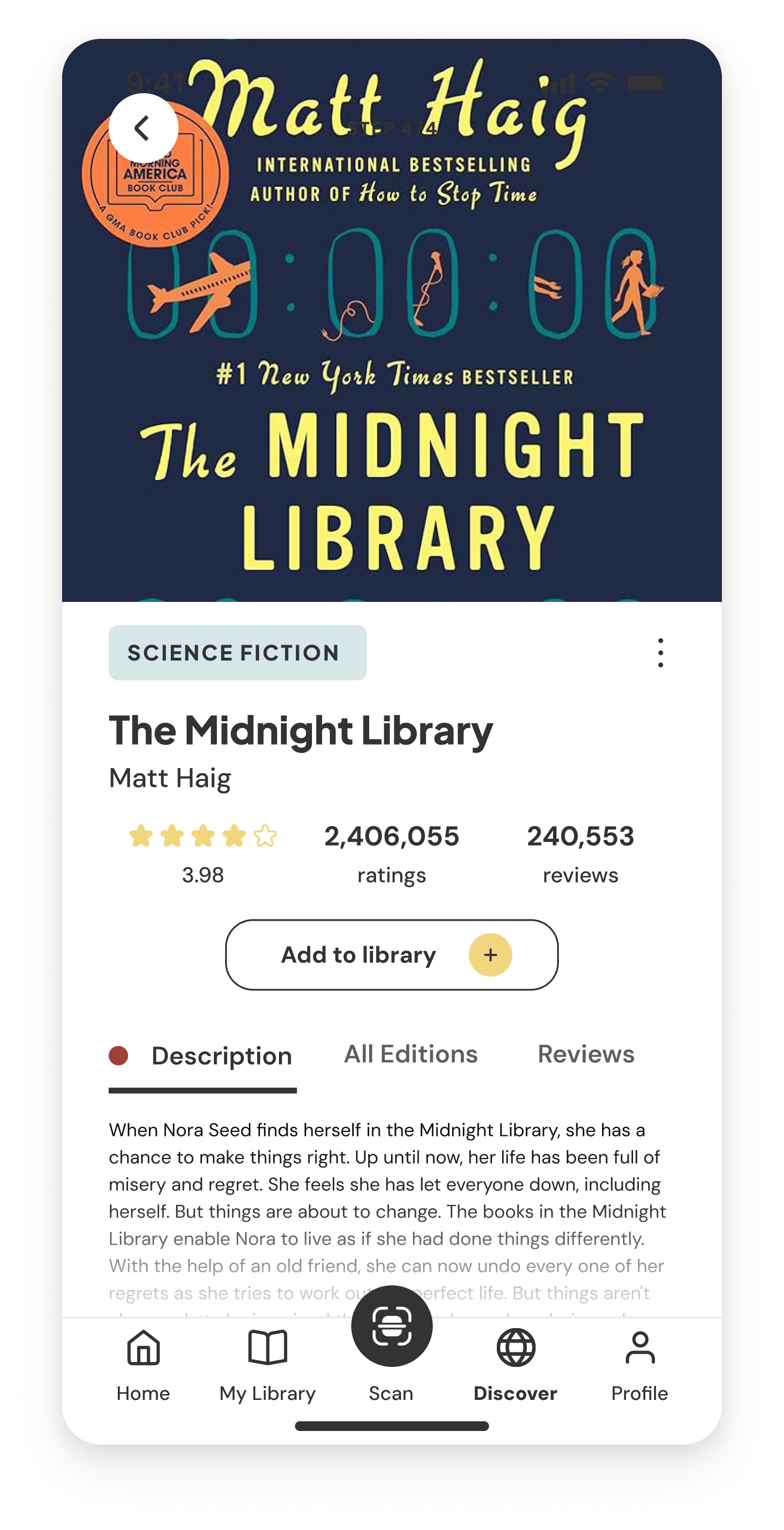
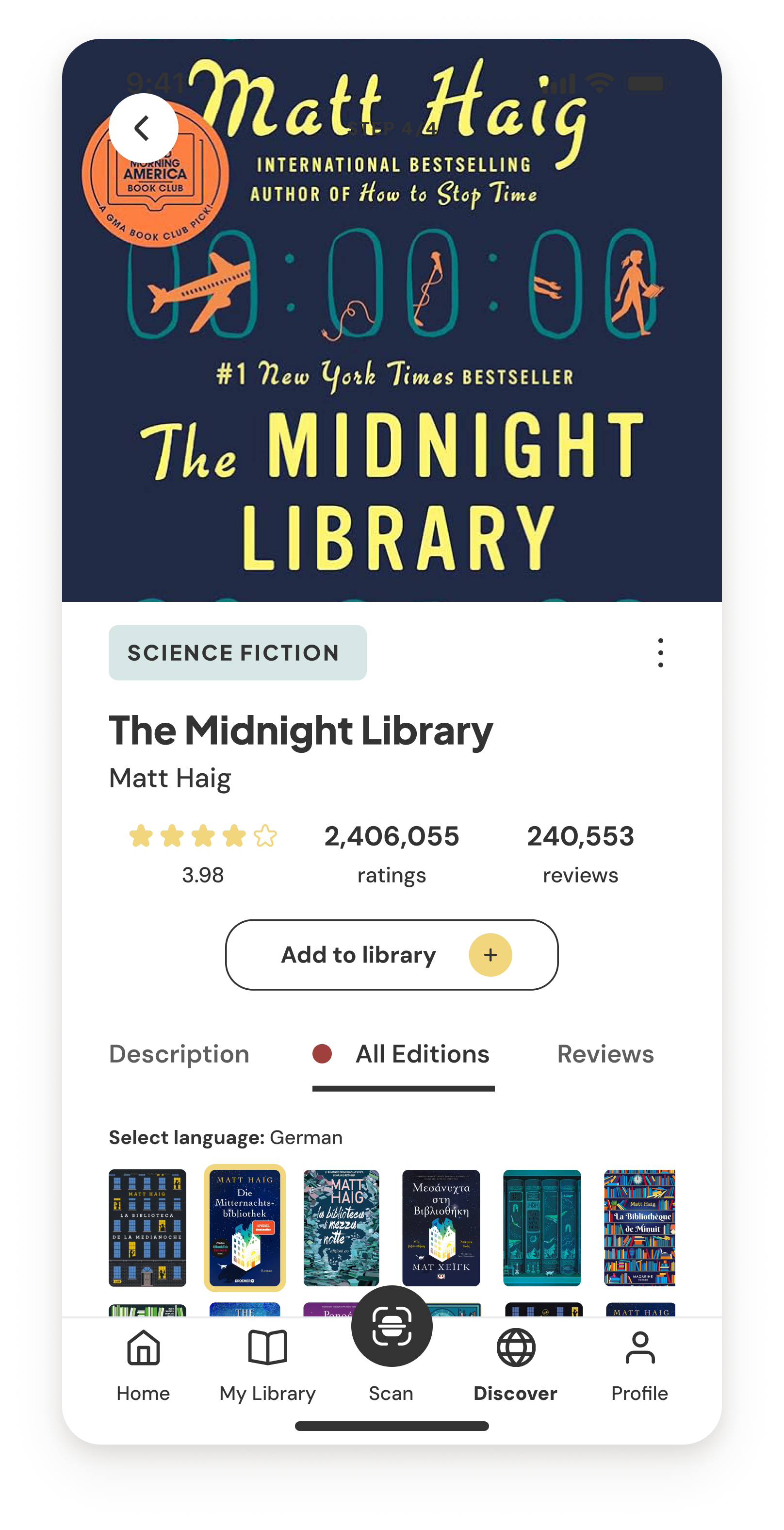
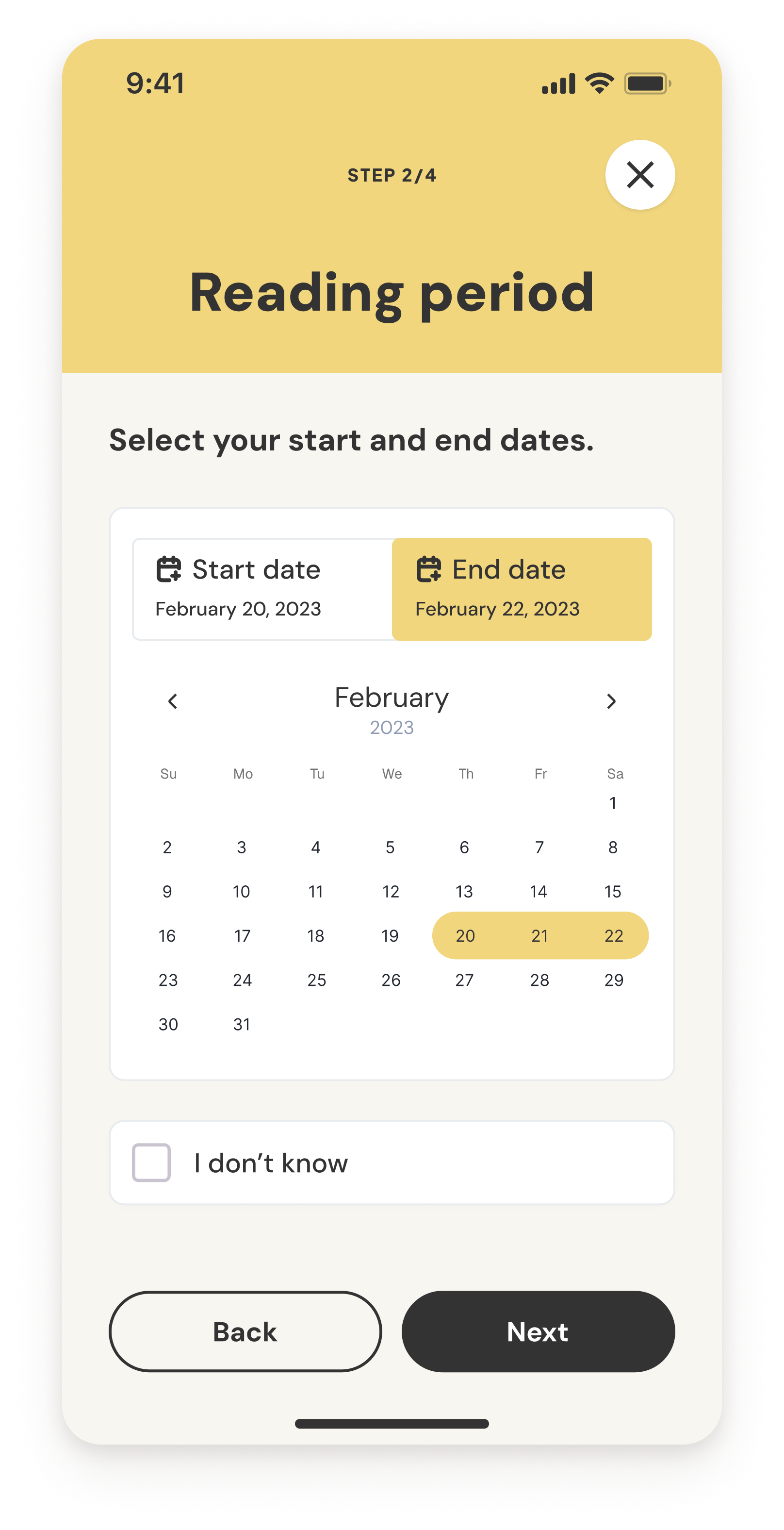
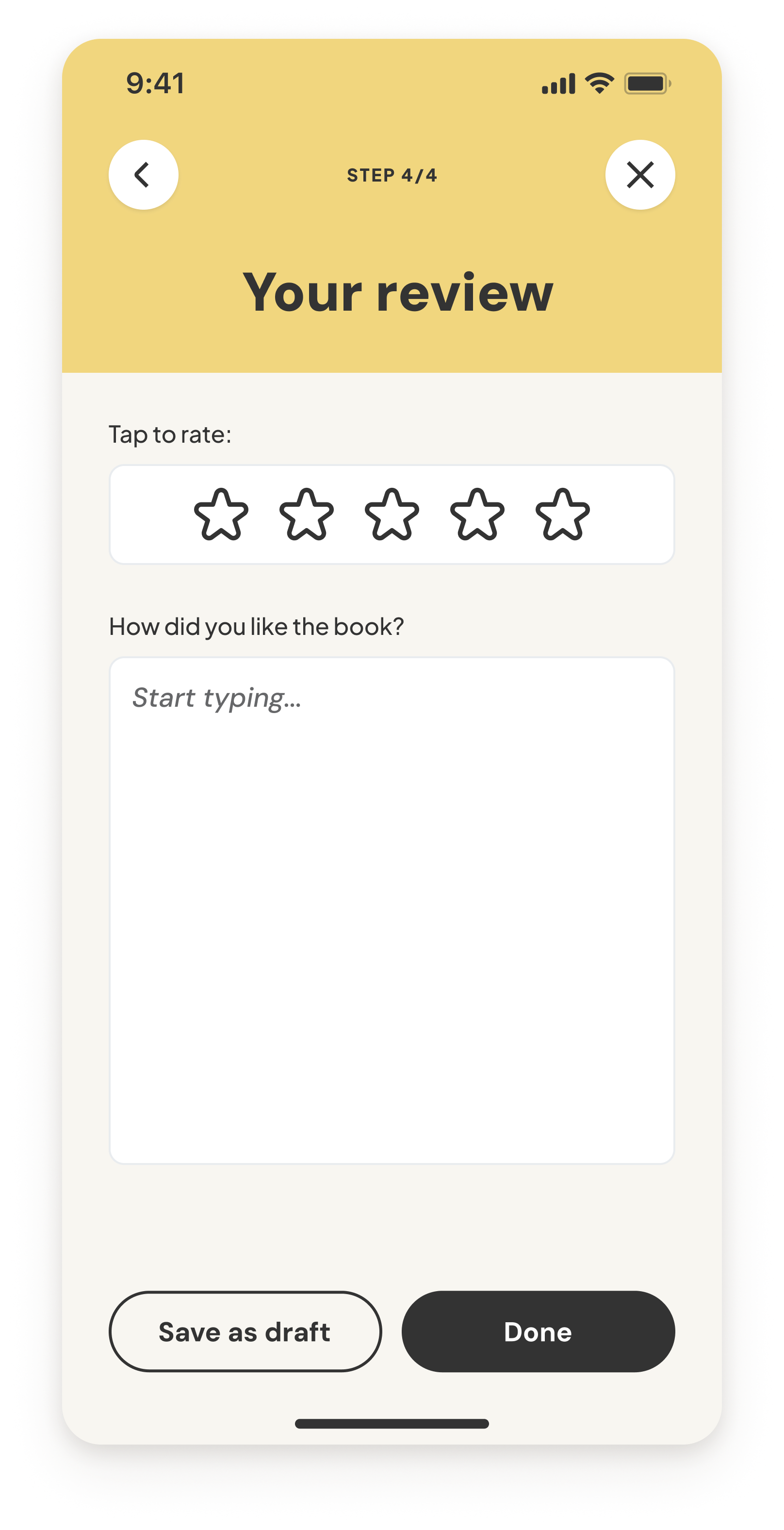
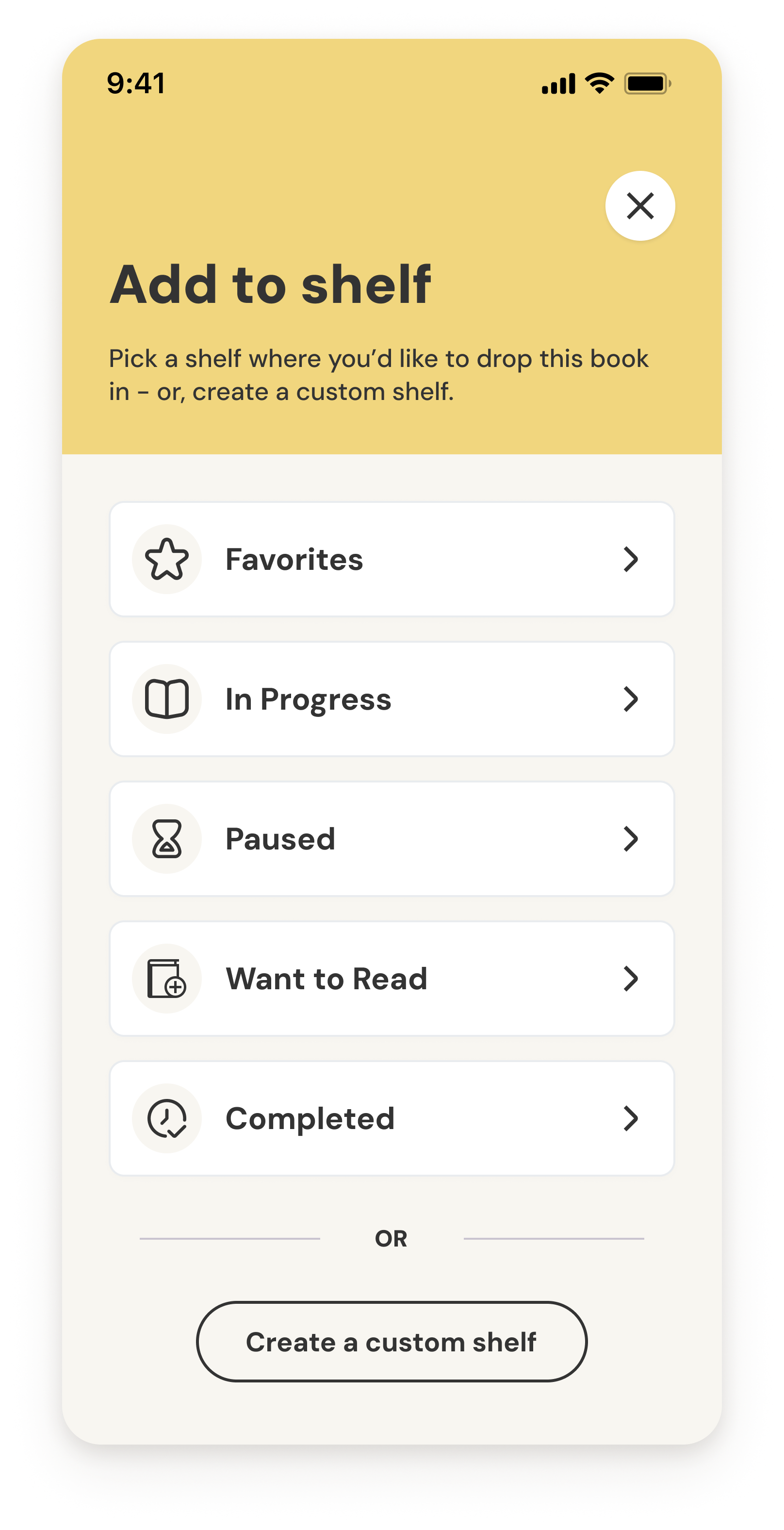
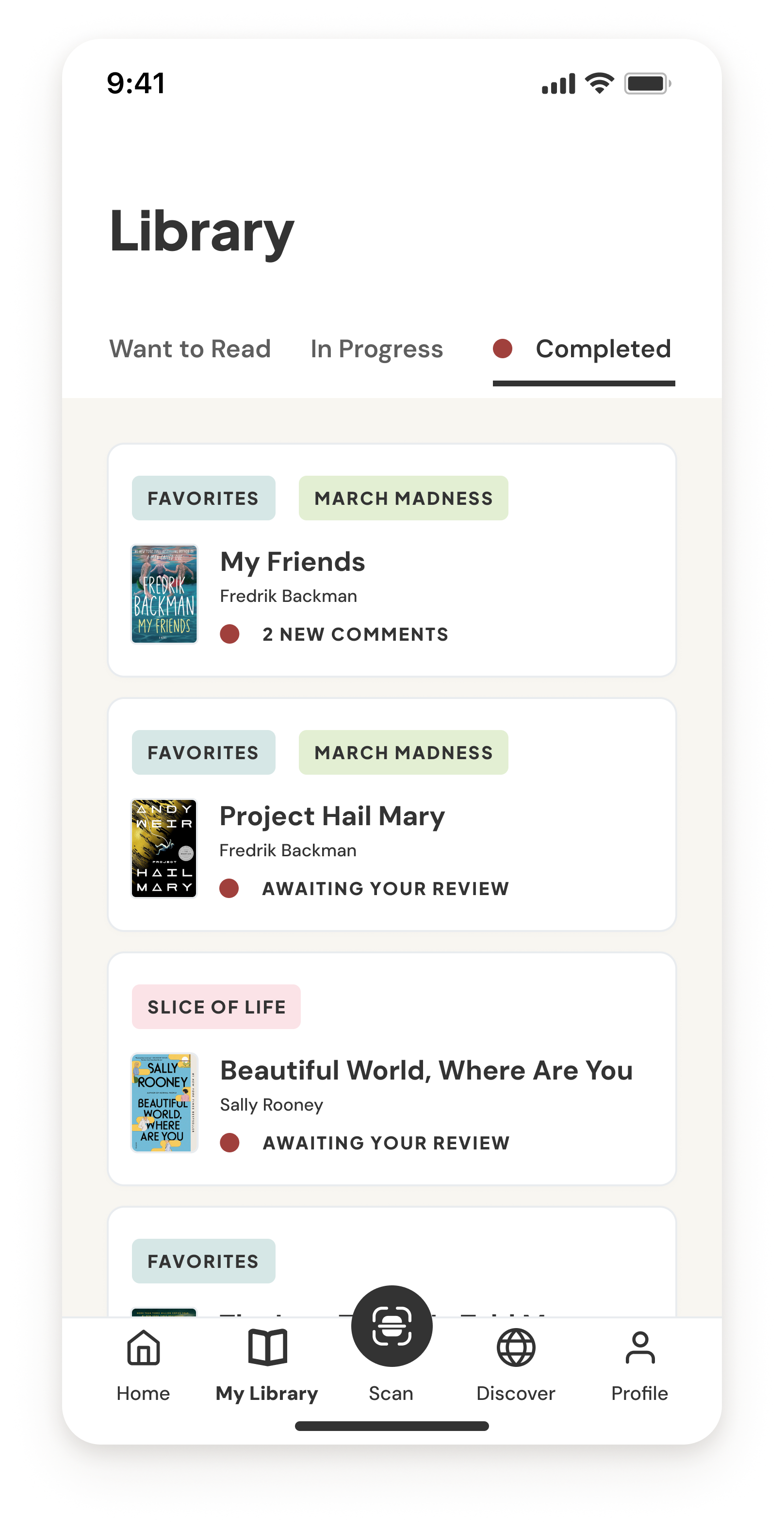
To elevate the experience beyond simple utility, feature discovery utilizes a structured, step-based progression and high-contrast visual cues to guide users through logging and reviewing without friction. Central to this is a robust tag-based system that replaces the cluttered lists of traditional apps with a personalized, at-a-glance view of the user’s reading habits. By maintaining a consistent information hierarchy, from custom shelf categorization to status-specific tags, we ensured that the library feels deeply tailored to the individual reader, allowing the interface to adapt to their unique organizational style.






Refining Through Usability Testing
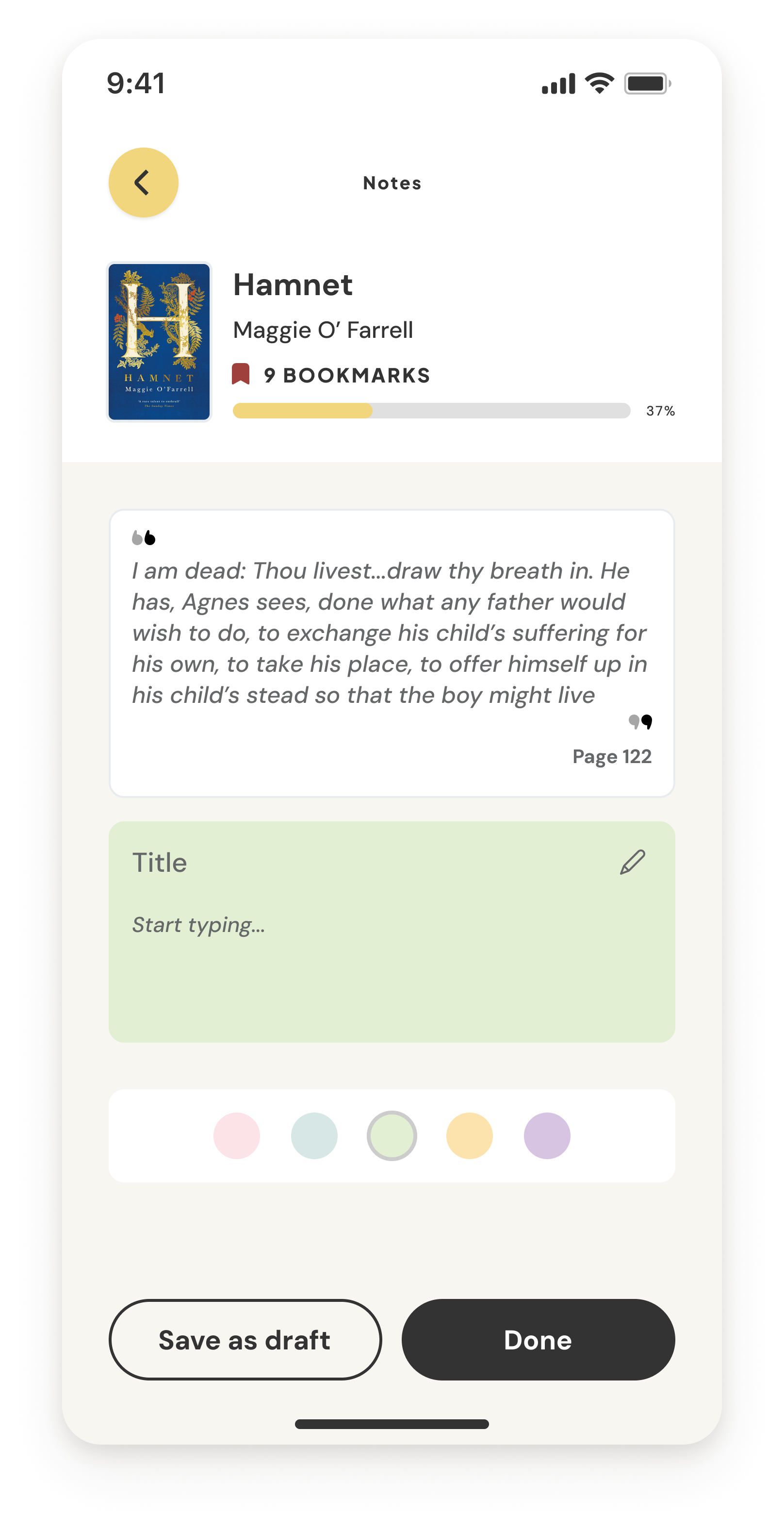
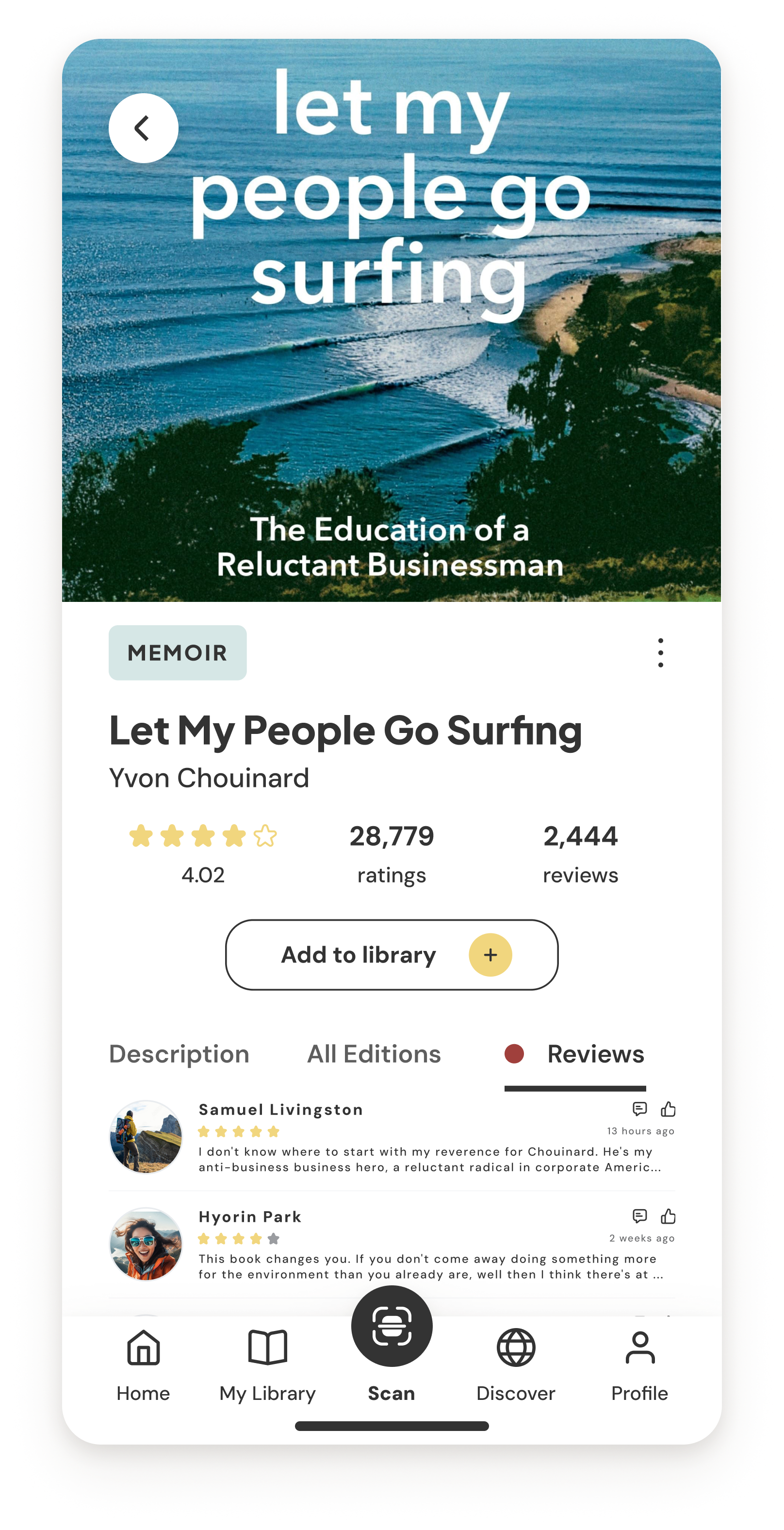
To ensure the proposed features aligned with real-world user needs, I conducted a usability study centered on pain points found in existing competitors. This research revealed a demand for more versatile tools that cater to both digital and physical reading habits. By observing how users navigated legacy platforms, we identified the need for a more robust bookmarking and notes system that allows for granular tracking to bridge the gap between paper books and e-readers.
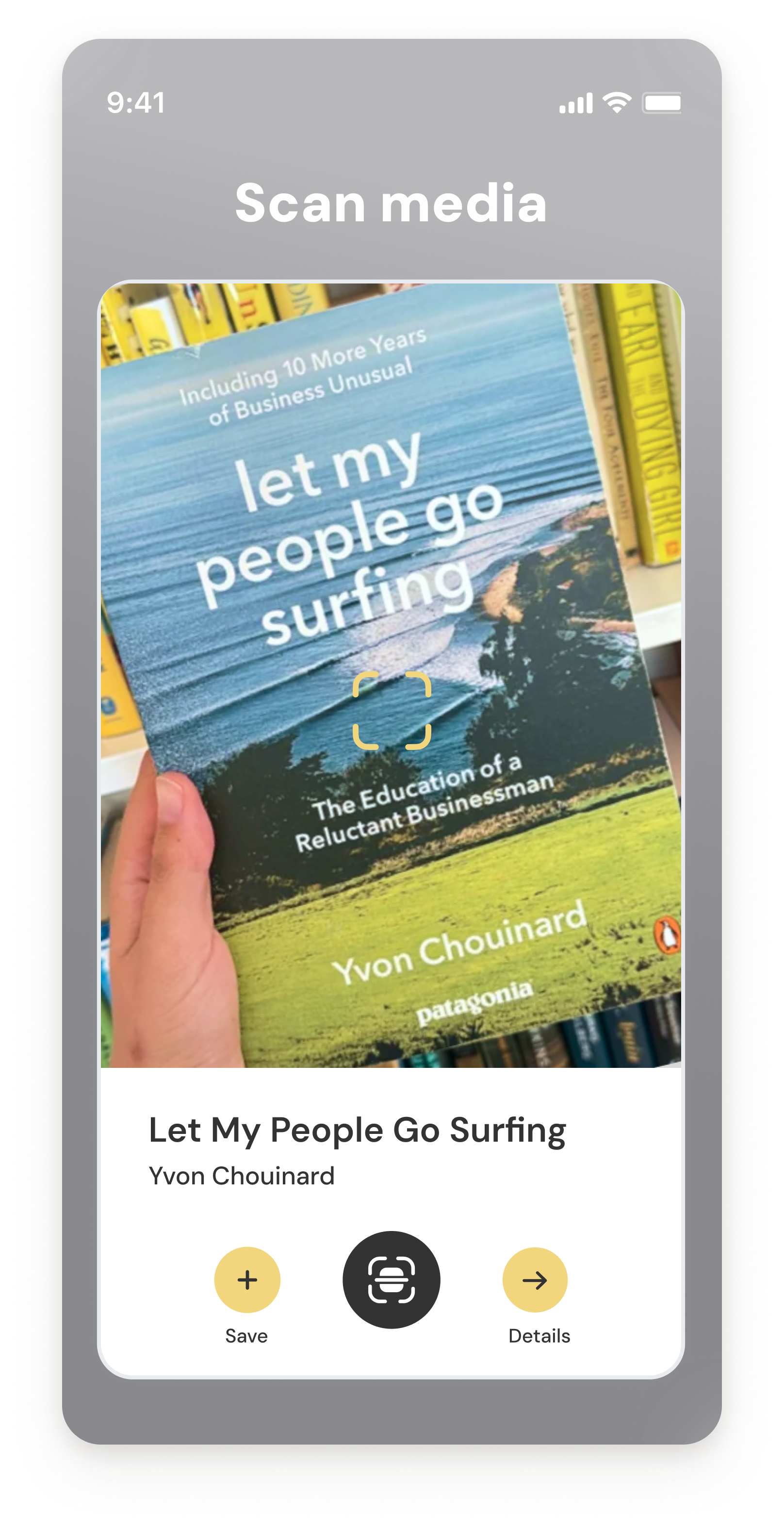
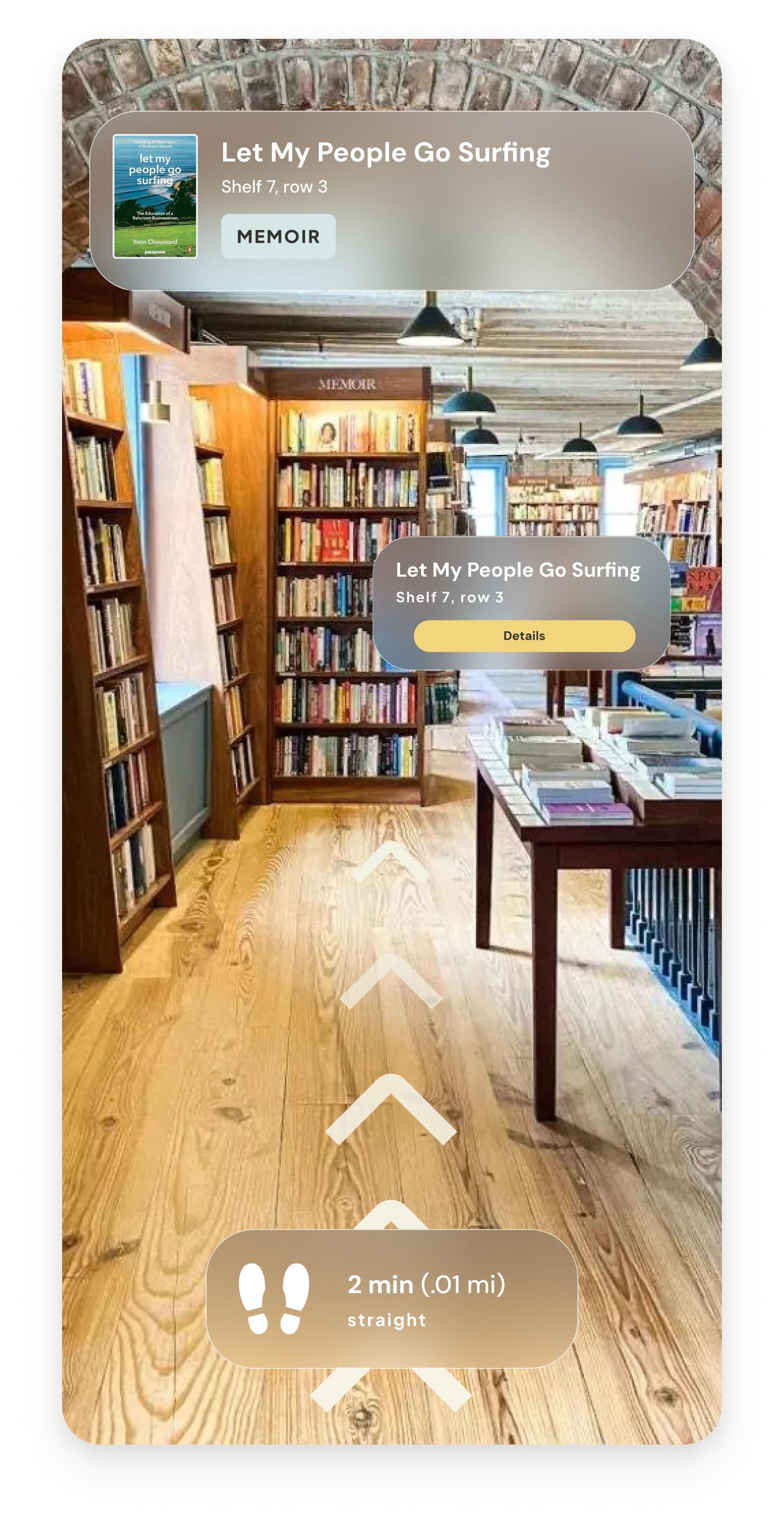
The testing phase also highlighted an opportunity for deeper personalization and physical integration. We expanded the feature set to include bookstore and library integrations, allowing the app to act as a functional bridge to a user's local literary community. These insights led to the development of a modular tag-based system and custom shelf options, ensuring that whether a user is tracking a reading list or organizing a bookshelf by genre, the interface remains a flexible, personalized reflection of their unique reading identity.